
With rising electricity prices and growing concerns about environmental sustainability, solar energy has become an attractive solution for homeowners and businesses alike. By harnessing the power of the sun, solar photovoltaic (PV) systems can significantly cut electricity bills, provide long-term savings, and reduce carbon footprints. Let’s explore how solar energy can help lower energy costs and maximize return on investment.
1. How Solar Power Reduces Electricity Bills
One of the biggest advantages of solar energy is its ability to generate free electricity once installed. Traditional grid power comes with fluctuating costs and increasing rates, whereas solar panels convert sunlight into electricity at no ongoing fuel cost. This means:
- Lower Monthly Bills: By generating your own electricity, you reduce dependence on the grid, cutting down electricity expenses.
- Net Metering Benefits: In many regions, excess energy generated by your solar panels can be fed back to the grid in exchange for credits, further lowering your bill.
- Energy Independence: With solar and battery storage, you can maintain power even during outages and peak demand hours.
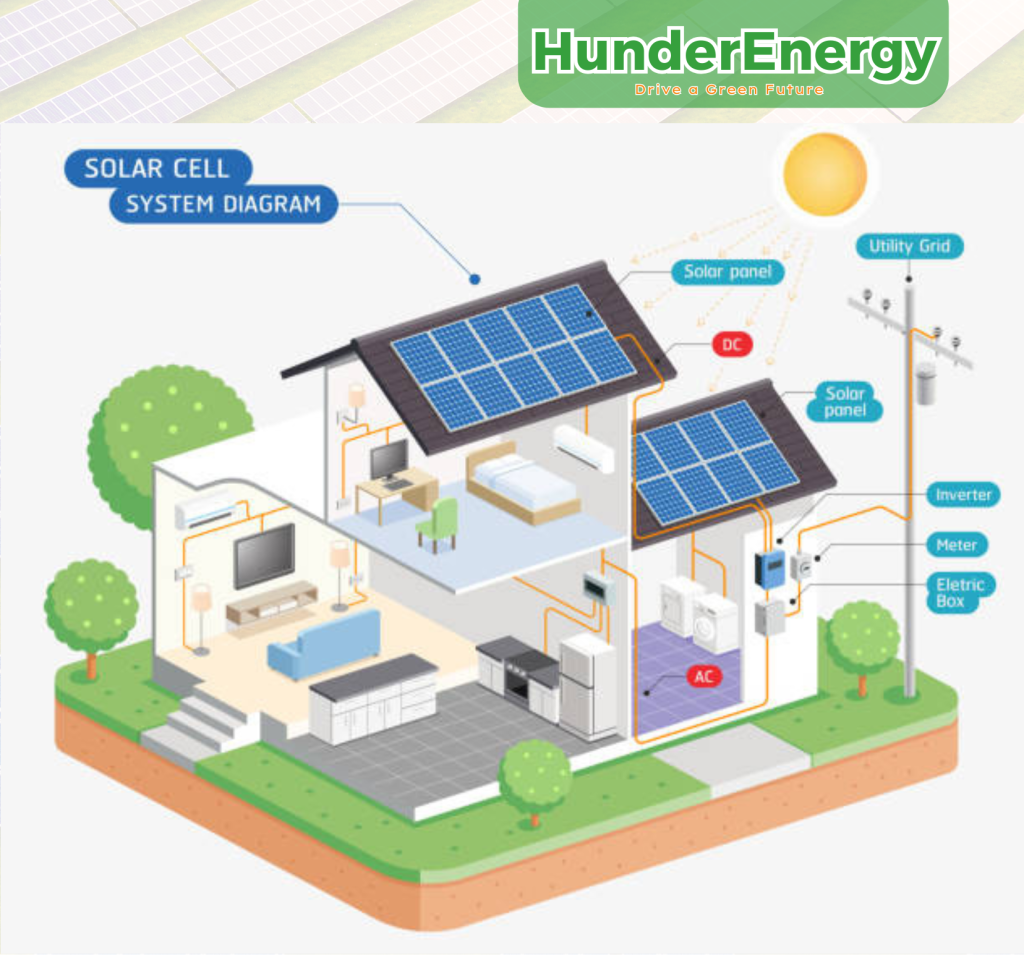
2. Return on Investment for Homes and Businesses
Installing a solar PV system is an investment that offers long-term financial benefits. While the upfront cost of installation varies, most homeowners and businesses can expect a payback period of 3-7 years, depending on energy usage and local incentives.
- For Homeowners:
- A properly sized residential solar system can reduce electricity costs by 50-100%.
- Government incentives and tax credits make installation more affordable.
- Increases property value—homes with solar installations sell at a premium.
- For Businesses:
- Solar power reduces operational costs and stabilizes long-term energy expenses.
- Green credentials improve brand reputation and attract eco-conscious customers.
- Some companies achieve full payback in just 3-5 years, leading to decades of free electricity.
3. Long-Term Savings and Economic Benefits
A high-quality solar system has a lifespan of 25-30 years, making it a cost-effective solution for long-term savings. While energy prices continue to rise, solar allows you to lock in a fixed cost of electricity. Key benefits include:
- Protection Against Rising Energy Prices: Solar users avoid increasing grid electricity costs.
- Minimal Maintenance Costs: Solar panels require little maintenance, with most manufacturers offering 25-year warranties.
- Sustainable and Renewable: Unlike fossil fuels, solar energy is free, abundant, and environmentally friendly.
4. Success Story: A Real-World Example
A commercial warehouse in California recently installed a 100kW solar system, reducing their electricity costs by 70%. With federal tax credits and local incentives, their payback period was only 4 years. Over a 25-year period, they are projected to save over $500,000 in energy costs while significantly lowering their carbon footprint.
Similarly, a homeowner in Germany installed a 5kW system with battery storage, achieving 80% self-sufficiency and reducing their monthly electricity bill from €150 to just €30. Their system will pay for itself within 6 years, after which they’ll enjoy nearly free electricity for the next two decades.
Conclusion
Switching to solar energy is one of the most effective ways to reduce electricity costs, achieve energy independence, and contribute to a cleaner environment. With high efficiency, long lifespans, and significant return on investment, solar PV systems are an excellent choice for both homeowners and businesses looking to cut costs and embrace sustainable energy solutions.