
As the world shifts towards cleaner and renewable energy sources, solar photovoltaic (PV) technology stands out as one of the most accessible and effective solutions. Understanding how solar PV modules work offers insight into why they’re such a powerful tool for harnessing the sun’s energy. In this guide, we’ll dive deep into the workings of solar panels, exploring their key components, the science behind their electricity generation, and the latest innovations driving the industry forward.
What Are Solar PV Modules?
Solar photovoltaic (PV) modules, or solar panels, are devices that convert sunlight directly into electricity. They’re made up of multiple solar cells, which are responsible for capturing photons from sunlight and transforming them into electrical current. When grouped, solar PV modules can generate enough power to provide electricity for homes, businesses, and even industrial applications.
How Solar Panels Generate Electricity
The process of generating electricity from sunlight involves several steps and core components, including solar cells, inverters, and wiring.
1. Solar Cells: The Heart of the Solar Panel
Solar cells, also known as photovoltaic cells, are the most critical part of a solar panel. They’re usually made from silicon, a semiconductor material that has the unique property of converting sunlight into electricity. This process is known as the photovoltaic effect.
When sunlight hits a solar cell, it excites electrons within the silicon atoms, causing them to move. This movement creates an electric current, which can be captured as usable electricity. Typically, each cell only generates a small amount of electricity, so multiple cells are connected to form a module, amplifying the power output.
2. Layers of the Solar Cell
Each solar cell contains two layers of silicon: a p-type layer, which has an abundance of positive charge, and an n-type layer, with an excess of negative charge. When these two layers come into contact, they form an electric field, known as the p-n junction. This field encourages electrons to move from the p-type layer to the n-type layer when activated by sunlight, thereby creating a flow of electricity.
3. From DC to AC: The Role of the Inverter
Solar panels generate direct current (DC) electricity, but most homes and appliances run on alternating current (AC) power. To convert DC into AC, solar PV systems include an inverter, which enables the electricity produced by the panels to power your home or business effectively. In some cases, each panel has its own micro inverter, while in others, a central inverter handles the conversion for a group of panels.
4. Wiring and Electrical Components
Wiring plays a crucial role in solar PV systems, connecting the panels, inverters, and other components safely and efficiently. Through wiring, the current from the panels is collected and fed into the inverter, then directed into your home’s electrical panel or the grid.

Latest Innovations in Solar PV Technology
The solar industry is continuously evolving, with innovations making solar power more efficient, affordable, and accessible. Here are a few of the most exciting advancements:
1. Bifacial Solar Panels
Bifacial panels can capture sunlight from both sides, utilizing reflected light from the ground to generate more electricity. These panels are ideal for certain installations, particularly where light reflection (from surfaces like sand, water, or snow) can be harnessed for extra power.
2. PERC Technology (Passivated Emitter Rear Cell)
PERC technology enhances the efficiency of monocrystalline and polycrystalline panels by adding a layer on the backside of each cell to capture more sunlight and reduce electron recombination, improving overall performance.
3. Heterojunction Technology (HJT)
HJT combines monocrystalline and thin-film technologies, creating highly efficient solar cells that perform well in various light conditions and temperatures. This makes them ideal for areas with fluctuating weather.
4. Solar Skin and Aesthetic Designs
Companies are developing aesthetically pleasing solar modules, like solar skin technology, allowing panels to blend seamlessly with rooftops or even mimic traditional roof shingles, which is especially appealing for residential installations.
5. Advanced Monitoring and Smart Inverters
Modern solar systems now come with smart inverters and monitoring software that allow users to track their energy production in real-time. This feature enables homeowners and businesses to optimize their solar usage and quickly detect any issues.
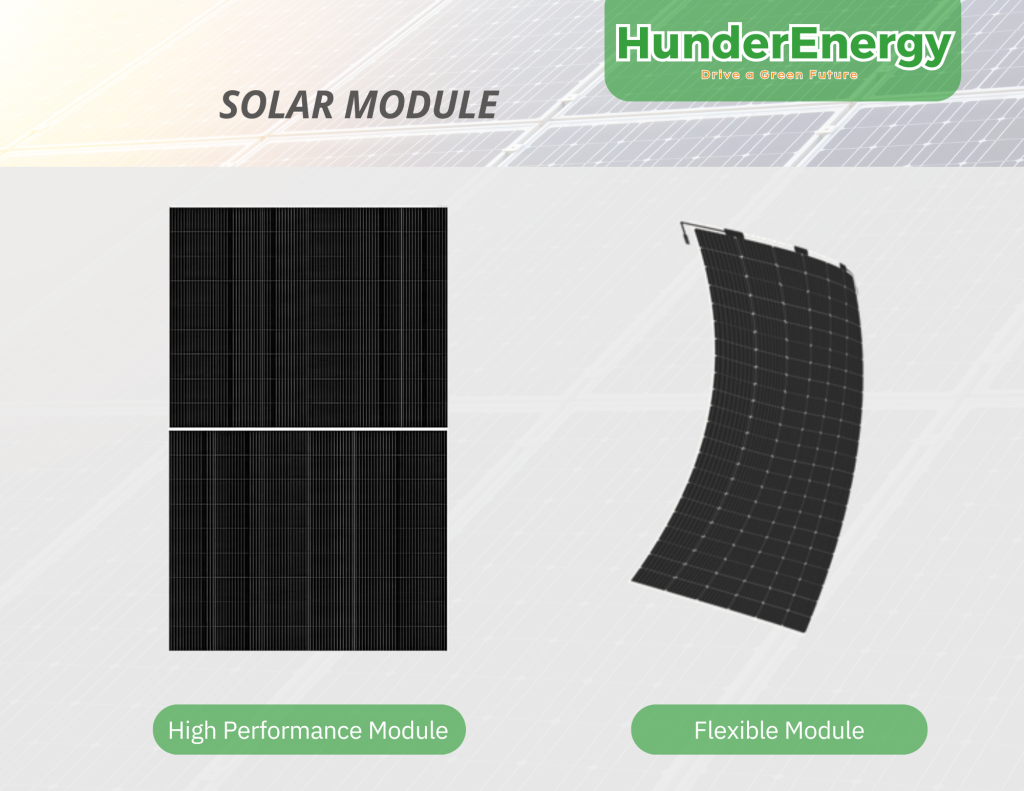
Conclusion: A Bright Future for Solar PV Modules
Understanding how solar PV modules work helps us appreciate their role in shaping a more sustainable and energy-independent future. With advances in efficiency, aesthetics, and flexibility, solar technology is becoming an increasingly viable choice for a wide range of applications. Whether you’re considering a solar PV system for your home, business, or community project, now is a great time to harness the power of the sun.
Solar PV modules not only provide a clean, renewable energy source but also present an opportunity to reduce energy costs and minimize our carbon footprint. The ongoing innovations and growing global adoption signal a bright future for solar technology—one that is bound to illuminate our path toward sustainability.