
Investing in solar panels is a big decision, and choosing the right solar PV modules can significantly impact your system’s performance, lifespan, and return on investment. Whether you’re installing solar panels for your home, business, or a large-scale project, here are the key factors to consider.
Monocrystalline vs. Polycrystalline: Which One to Choose?
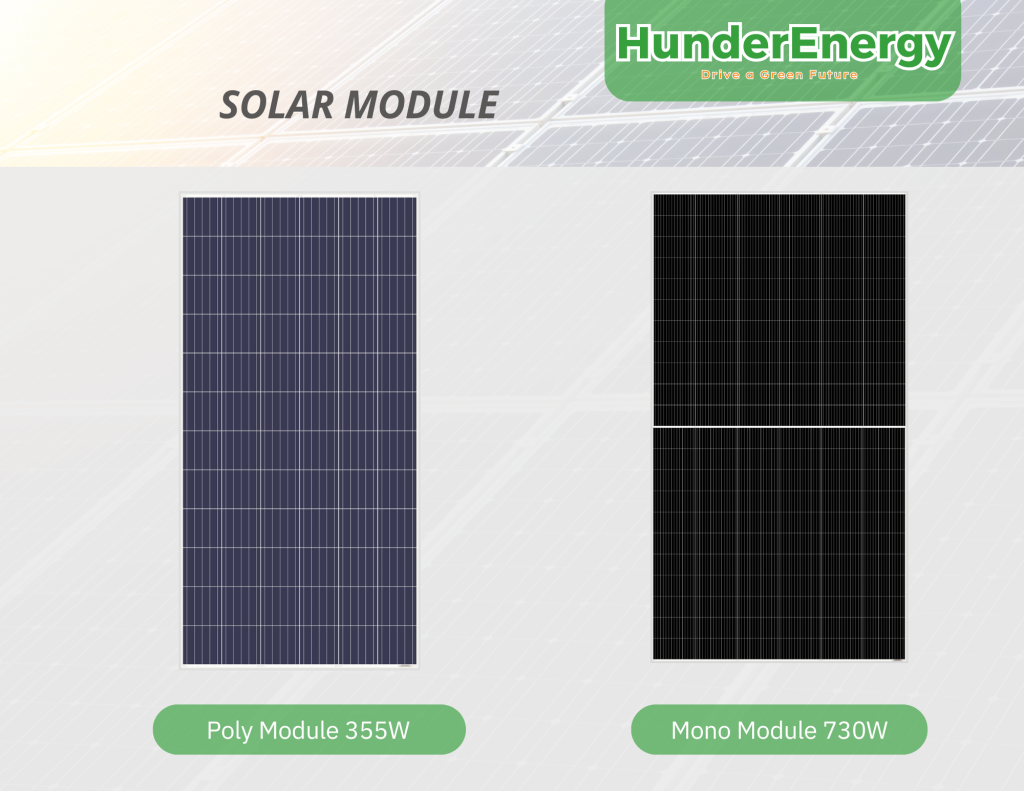
When selecting solar PV modules, one of the first decisions is choosing between monocrystalline (mono) and polycrystalline (poly) panels.
Monocrystalline Panels
- Higher efficiency (20-23%) due to superior silicon purity.
- Better performance in low light and high temperatures.
- Sleek black appearance, often preferred for aesthetics.
- Higher cost, but offers better long-term performance.
Polycrystalline Panels
- Lower efficiency (15-18%), requiring more space for the same output.
- More affordable, making them a budget-friendly option.
- Blue appearance, which may not be as visually appealing.
- Less efficient in hot climates compared to monocrystalline panels.
Which One to Choose?
If you have limited roof space or need higher efficiency, go for monocrystalline panels. If budget is a primary concern and space is not an issue, polycrystalline panels can be a cost-effective option.
Why is High Conversion Efficiency Important?
Solar panel efficiency refers to the percentage of sunlight converted into electricity. A higher conversion efficiency (22% or above) is crucial for:
Maximizing power output – More energy generated per square meter.
Optimizing limited space – Important for rooftops with space constraints.
Better performance in low light and high temperatures – More efficient panels maintain strong output even on cloudy days or in hot conditions.
Higher long-term savings – More energy production means greater cost savings over time.
Example: A 22% efficiency panel generates more electricity than an 18% efficiency panel of the same size, allowing you to install fewer panels for the same power output.
Quality Certifications & Reliability Testing
To ensure long-lasting performance and durability, solar panels should pass strict quality certifications and environmental stress tests. Here are some key certifications to check:
IEC & UL Certification – International safety and quality standards.
Salt Mist Corrosion Test (IEC 61701) – Essential for coastal areas to prevent panel degradation.
Hail & Impact Resistance Test (IEC 61215) – Ensures durability against extreme weather conditions like hailstorms.
Ammonia Resistance Test (IEC 62716) – Important for agricultural areas with high ammonia exposure.
PID (Potential Induced Degradation) Resistance – Prevents power loss due to voltage stress over time.
Pro Tip: Always buy from reputable manufacturers that provide third-party certification reports to verify their panel quality and reliability.
Common Mistakes to Avoid When Buying Solar Panels
Choosing the Cheapest Option – Low-cost panels may compromise on efficiency, durability, or warranty coverage. Instead, look for high-quality panels with long-term reliability.
Ignoring the Warranty – A 25-year performance warranty is standard for quality panels. Ensure you get at least 10-12 years product warranty for peace of mind.
Overlooking Temperature Coefficients – If you live in hot climates, check the temperature coefficient of the panel. Lower values mean better performance in high temperatures.
Not Checking Manufacturer Reputation – Research the track record of the brand. Established manufacturers with strong financial backing are more reliable for long-term warranty claims.
Skipping Inverter Compatibility – Ensure the panels you choose are compatible with your inverter and battery storage system to maximize efficiency.
Conclusion
Choosing the right solar PV modules requires careful consideration of efficiency, quality, and long-term durability. Prioritizing high conversion efficiency, certified reliability, and strong warranties ensures your investment delivers maximum energy savings and long-term performance.