
As the world transitions to cleaner, more sustainable energy solutions, the combination of solar power and electric vehicles (EVs) has emerged as a powerful partnership. Solar energy and EVs complement each other perfectly, offering a way to reduce reliance on fossil fuels while promoting energy independence and sustainability. In this blog, we’ll explore how solar energy can power EV charging stations, creating an efficient and eco-friendly solution for the future of transportation.
How Solar Energy Powers EV Charging Stations
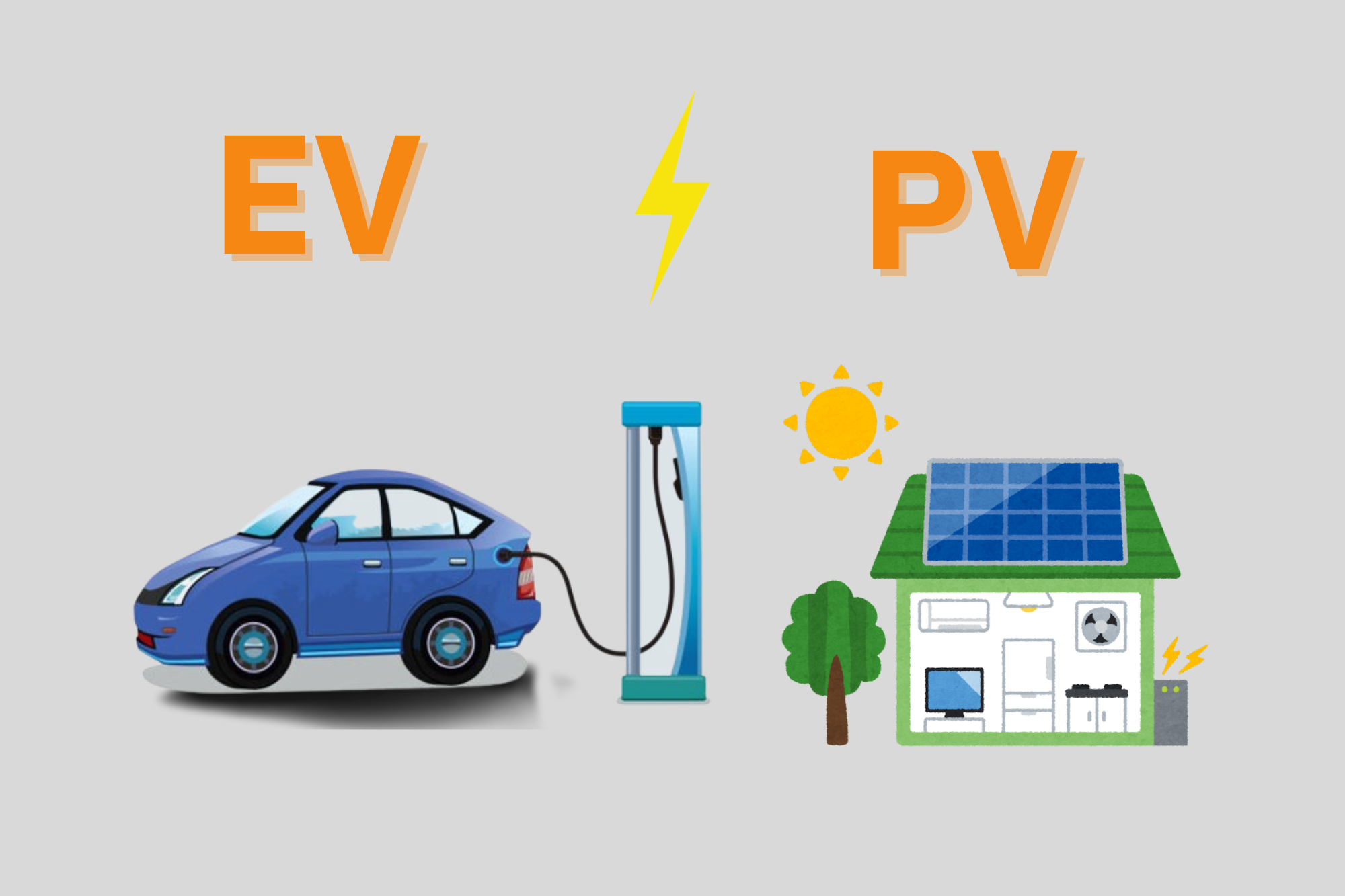
At its core, the process is simple: solar panels capture sunlight and convert it into electricity, which can then be used to charge EVs. Here’s how it works:
- Solar Energy Generation: Solar panels, typically installed on rooftops or in solar farms, absorb sunlight and convert it into direct current (DC) electricity.
- Power Conversion: The DC electricity is then converted into alternating current (AC) using an inverter, making it compatible with EV charging stations and the electrical grid.
- EV Charging: Once converted, the electricity can either be stored in batteries for later use or directly transferred to EVs via charging stations.
With a solar-powered EV charging station, users can charge their vehicles with clean, renewable energy, reducing the carbon footprint associated with traditional electricity sources.
The Benefits of Solar-Powered EV Charging
The combination of solar energy and EVs brings a host of benefits, both for individuals and businesses looking to invest in renewable energy solutions:
- Zero Emissions: EVs are already environmentally friendly, but when charged using solar energy, they become truly emissions-free. This contributes to cleaner air, reduced greenhouse gases, and a healthier planet.
- Lower Energy Costs: Solar energy is abundant and free once the system is installed, meaning you can significantly reduce or even eliminate the cost of electricity for charging your EV. Over time, the savings from reduced electricity bills make solar charging a cost-effective solution.
- Energy Independence: Solar-powered charging allows individuals and businesses to become more energy-independent, reducing reliance on the grid. This is particularly beneficial during peak hours or when electricity prices spike.
- Grid Resilience: Using solar energy to power EV charging stations reduces the load on the electrical grid, especially during peak demand. This can prevent blackouts and improve the overall reliability of the energy system.
- Scalability: Solar-powered EV charging stations can be scaled to meet the needs of different users. From a single-home rooftop setup to large solar farms powering public EV charging stations, the flexibility of solar energy systems makes them ideal for diverse applications.
Maximizing Efficiency with Solar + Storage
One of the most efficient ways to power EVs with solar energy is by integrating energy storage systems. By pairing solar panels with batteries, excess energy generated during the day can be stored and used to charge EVs at night or during cloudy weather. This ensures a continuous, reliable supply of clean energy, even when the sun isn’t shining.
For example, many businesses and homeowners are opting for solar-plus-storage setups that allow them to store energy during peak production hours and use it later when charging their EVs. This not only increases energy efficiency but also maximizes the economic value of the solar system.

The Future of Solar-Powered EV Charging
As the demand for both electric vehicles and renewable energy continues to grow, the integration of solar power into EV charging infrastructure is expected to expand rapidly. Governments and businesses are investing heavily in solar-powered charging stations to make clean transportation more accessible.
In the near future, we can expect to see:
- Widespread Solar-Powered Public Charging Stations: More public spaces, including parking lots, office buildings, and shopping centers, are likely to install solar-powered EV chargers.
- Smart Charging Integration: With the rise of smart grids and intelligent energy management systems, solar-powered EV charging will become more efficient, balancing energy usage based on demand and supply.
- Electric Fleets Powered by Solar: Businesses operating electric fleets can benefit significantly from solar energy by installing solar panels at fleet charging hubs, reducing both operational costs and emissions.
Conclusion: Driving into a Sustainable Future
Solar energy and electric vehicles form the ideal partnership for a sustainable future. By harnessing the power of the sun, we can power our vehicles cleanly and efficiently, reducing our impact on the environment and saving energy costs. The growing adoption of solar-powered EV charging stations is a crucial step in making transportation greener and more sustainable.
If you’re considering making the switch to solar energy or want to learn more about how solar-powered EV charging stations can benefit you, contact us today. Let’s drive into a greener, cleaner future together!