
As electric vehicles (EVs) become more popular, installing an EV charger at home or for your business is a smart move. Whether you’re an EV owner looking for convenience or a business wanting to attract customers, choosing the right EV charger is crucial. But with so many options on the market, how do you know which one is best for you?
In this guide, we’ll walk you through the key factors to consider when selecting an EV charger, covering topics like power output, installation requirements, and vehicle compatibility.
1. Power Output: Level 1, Level 2, and DC Fast Charging
The first thing to consider when choosing an EV charger is the power output, which determines how quickly your EV will charge. EV chargers come in three main levels, each designed for different charging needs.
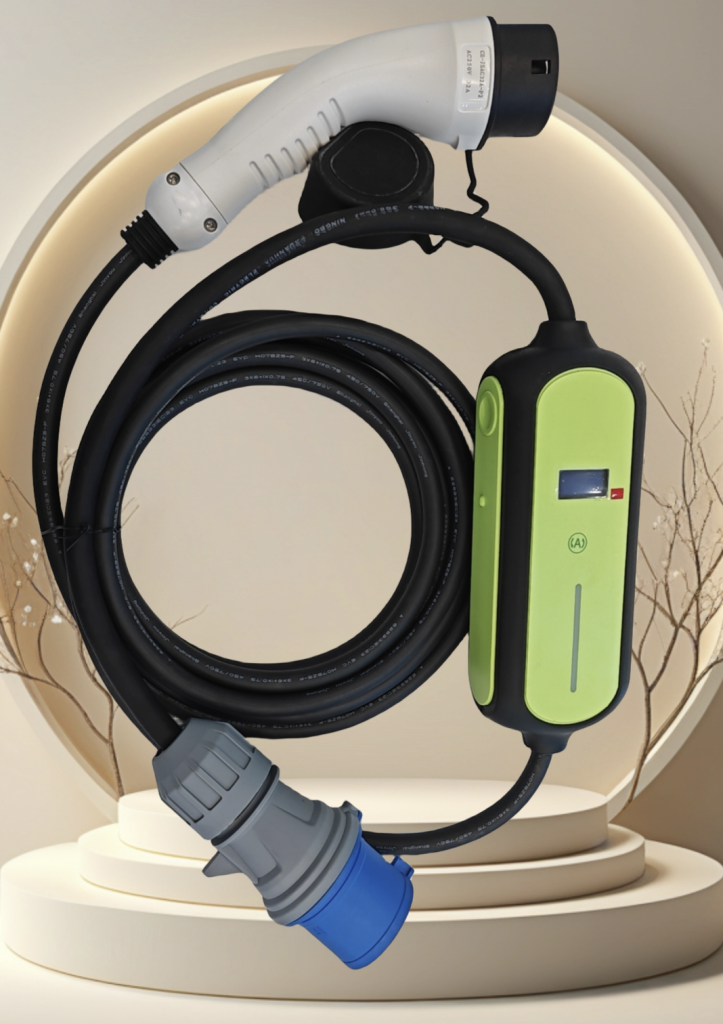
Level 1 Chargers
- Power Output: 120V (standard household outlet)
- Charging Speed: 2-5 miles of range per hour
- Best For: Homeowners with minimal daily driving or long overnight charging windows.
Level 1 chargers use a standard household outlet and are the slowest option, providing 2-5 miles of range per hour. They are ideal for overnight charging or if your daily driving range is low. Installation is simple and inexpensive since it requires no special wiring. However, if you drive longer distances daily, you might want to consider a faster option.
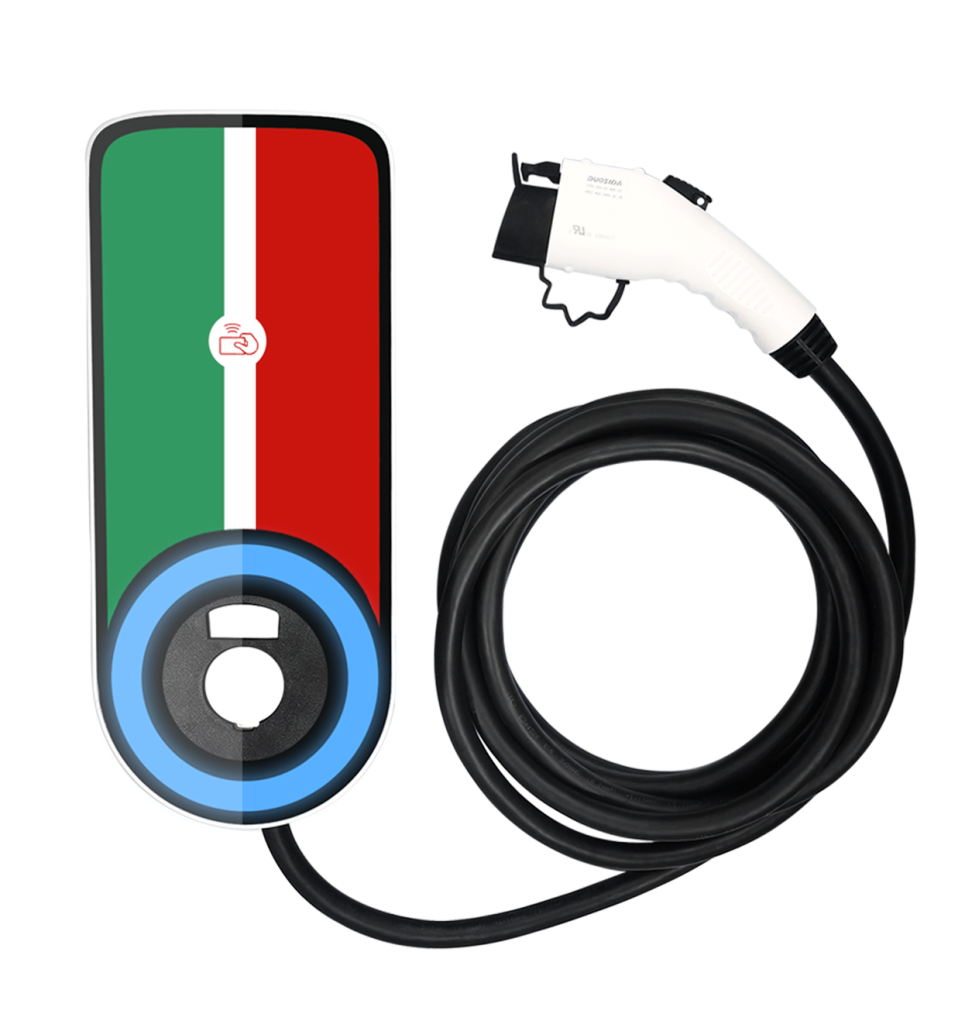
Level 2 Chargers
- Power Output: 240V (requires special installation)
- Charging Speed: 10-30 miles of range per hour
- Best For: Homeowners or businesses with medium-to-high daily driving needs or those looking for faster charging times.
Level 2 chargers are a significant upgrade in speed, offering 10-30 miles of range per hour. These chargers require a dedicated 240V outlet, similar to what you’d use for an electric dryer. While installation costs can be higher than Level 1, the convenience of faster charging makes Level 2 the most popular choice for both homes and businesses.
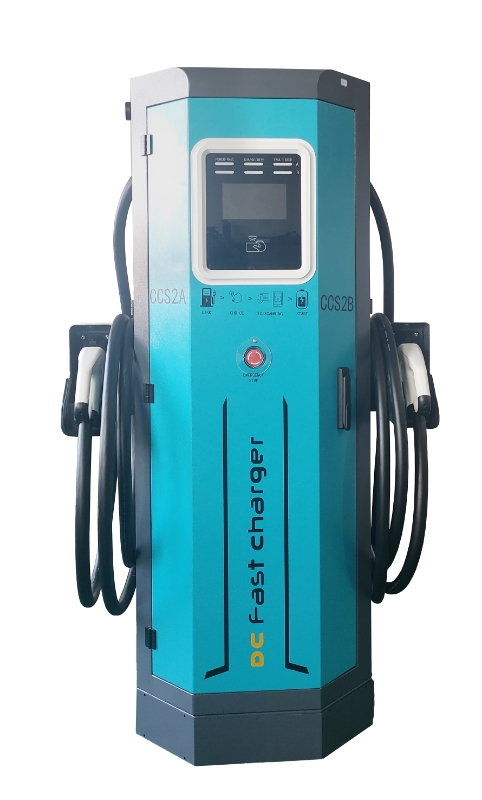
DC Fast Chargers (Level 3)
- Power Output: 480V+ (requires commercial-grade installation)
- Charging Speed: 60-100+ miles of range in 20-30 minutes
- Best For: Businesses, highway rest stops, or public charging stations. Not typically used for home charging due to high costs.
DC fast chargers are the fastest option available, charging an EV to 80% capacity in 20-30 minutes. However, they require commercial-grade installation and are expensive, making them best suited for businesses offering public charging or companies with a fleet of electric vehicles. While they’re not practical for home use, DC fast chargers are ideal for locations that need rapid charging turnaround.
2. Installation Requirements
Home Installation
For homeowners, the installation process depends on the type of charger you choose. Level 1 chargers can simply be plugged into an existing outlet, but Level 2 chargers will require a licensed electrician to install a dedicated 240V circuit. Before installation, consider the following:
- Location: Where will the charger be installed? It should be close to your parking space and sheltered from the elements if outdoors.
- Electrical Panel Capacity: Make sure your home’s electrical panel can handle the additional load. In some cases, an electrical upgrade may be necessary to support a Level 2 charger.
- Permits: Depending on your location, you may need a permit for installation. A licensed electrician can help guide you through this process.
Business Installation
For businesses, installation requires more planning, particularly if you’re looking to install multiple chargers or DC fast chargers. Key considerations include:
- Power Supply: Businesses often need to install additional electrical infrastructure to handle the power needs of multiple chargers, especially for DC fast charging.
- Location & Accessibility: Chargers should be easily accessible to customers or employees, with clear signage to indicate their availability. Also, consider providing covered parking areas with lighting to make the charging station more user-friendly.
- Networked Chargers: Many businesses opt for chargers connected to a larger network, allowing for easier monitoring, payment processing, and maintenance. Networked chargers can also offer features like mobile app integration for users.
3. Vehicle Compatibility
Not all EV chargers are compatible with every electric vehicle, so it’s crucial to ensure that the charger you choose works with your vehicle or fleet.
Connector Types
- J1772 (Type 1): The most common connector for Level 1 and Level 2 charging in North America. Nearly all electric vehicles are compatible with this type of plug.
- CCS (Combined Charging System): Used for DC fast charging and found on most modern EVs. It supports higher power output and faster charging times.
- CHAdeMO: Another fast-charging connector, primarily used by Nissan and Mitsubishi vehicles. However, this standard is becoming less common as manufacturers adopt CCS.
- Tesla Connector: Tesla vehicles have their own proprietary connector, but they can use J1772 and CCS chargers with an adapter.
Charging Speed Compatibility
Even if a charger is compatible with your vehicle, the charging speed can vary depending on the EV’s onboard charger. For example, some vehicles are limited to lower power inputs, even when connected to a higher-power charger. Check your vehicle’s specifications to ensure you’re getting the maximum charging speed possible with the charger you choose.
4. Additional Features to Consider
Beyond power output and compatibility, some EV chargers come with extra features that can enhance your charging experience.
Smart Chargers
Smart chargers connect to Wi-Fi and offer features like mobile app control, remote monitoring, and scheduling. This allows you to:
- Monitor charging: Track the progress of your charge from your smartphone.
- Schedule charging: Set charging to begin during off-peak hours to take advantage of lower electricity rates.
- Receive notifications: Get alerts when your vehicle is fully charged or if there’s an issue with the charger.
Cable Length
Ensure the charger comes with a cable long enough to comfortably reach your EV, especially if you’ll be installing it in a garage or parking lot. Longer cables offer more flexibility but can also be bulkier and harder to manage.
Weatherproofing
If you plan to install the charger outdoors, make sure it’s rated for weather resistance. Look for chargers with NEMA-rated enclosures, which protect against dust, rain, and extreme temperatures.
Conclusion: Choosing the Right Charger for Your Needs
Choosing the right EV charger depends on your charging habits, vehicle compatibility, and installation requirements. For homeowners, a Level 2 charger is typically the best balance between convenience and cost. Businesses may want to invest in multiple Level 2 chargers or DC fast chargers to accommodate a range of customers and vehicles.
Whether you’re charging at home or running a business, the right charger will make your EV experience more convenient, efficient, and sustainable.